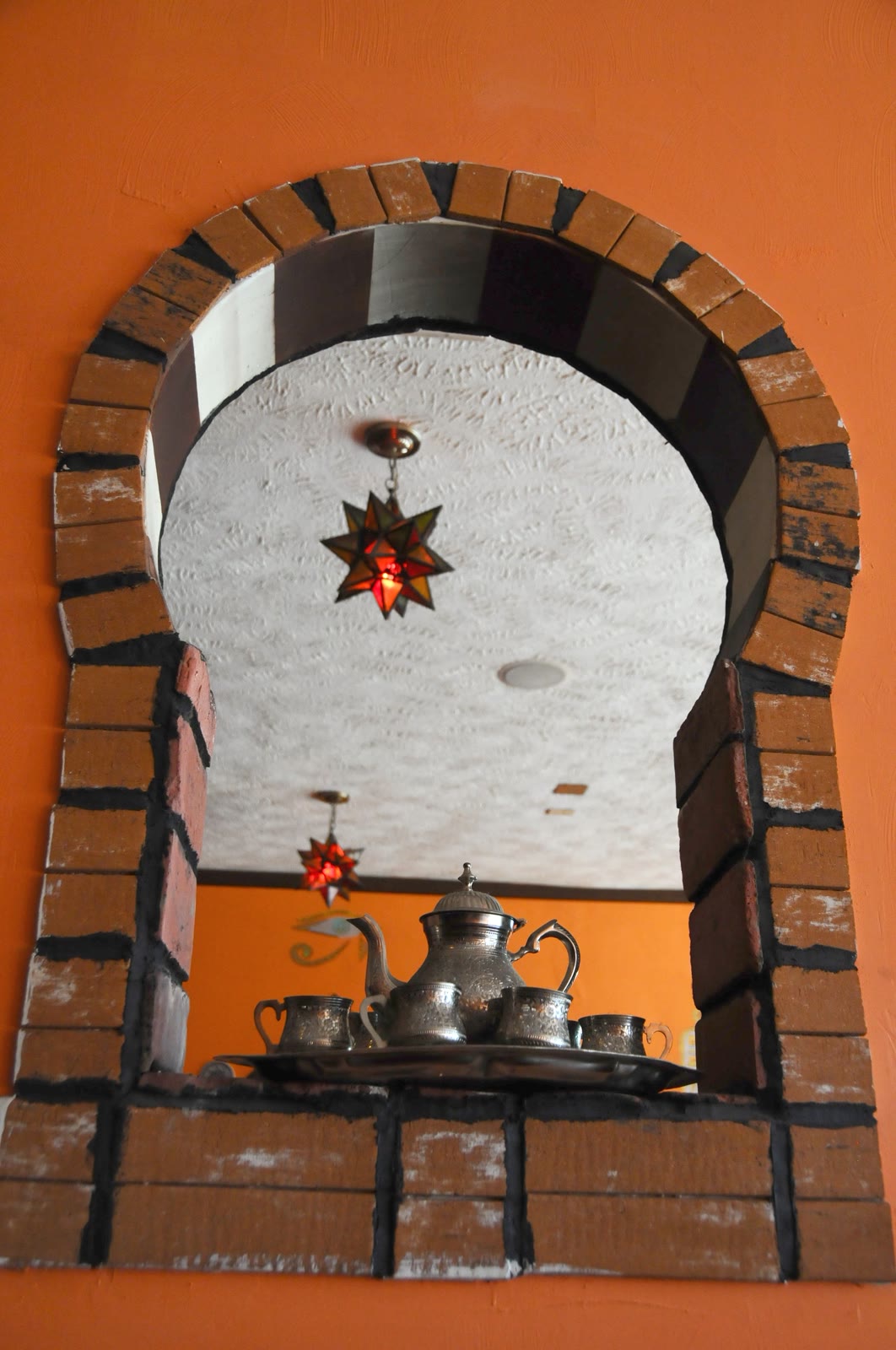
The traditional ahwa is often described as a timeless male social institution, but cafés differ by neighbourhood, clientele, scale and hour. Some are strongly male spaces; others serve mixed groups and visitors; modern coffee shops add different service expectations. Enter the room that exists instead of using one café to represent the country.
Pause at the threshold
Look for the service pattern. Does a waiter indicate a table? Are customers ordering at a counter? Are empty chairs part of another table? A short pause prevents rearranging a social space by mistake. If seating feels uncertain, ask simply rather than occupying the most photogenic spot.
Smoke may be present, including shisha. Someone sensitive to smoke should assess the room before sitting; an open frontage does not guarantee clean air. Choose an outdoor edge or another café if needed.
Order one drink, see how sugar and payment work, and let the room reveal its pace before planning a long stop.
Name the drink and sweetness
Black tea may arrive in a glass, sometimes with mint, and sugar can be served separately or already included. Egyptian-style coffee may be prepared with sugar according to the order, which makes “no sugar,” “medium” and “sweet” meaningful before brewing. Vocabulary and house practice vary, so point and confirm rather than relying on a memorised phrase alone.
Taste before adding more sugar. A small glass can be strong and hot. Bottled water or another drink may be available, but never assume it is included.
| Part | Clarify | Why it matters |
|---|---|---|
| Drink | Tea, mint tea, coffee or other | Names can be broad |
| Sugar | Separate, none, medium or sweet | Coffee may be brewed with it |
| Time | Quick stop or longer sit | Busy tables may need turnover |
Let time remain ordinary
A visitor may value the café precisely because nothing spectacular happens. Conversation, a football match, backgammon, street watching and repeated tea can be the activity. Do not demand a performance from staff or customers. Buying a drink does not purchase the right to record strangers.
For photography, compose around your own glass or table. Ask before making another customer or worker identifiable. A wide interior still needs care if faces dominate. Put the phone away after the image; otherwise observation becomes surveillance.
Close the table clearly
Request the bill or ask the price in the service pattern used by the room. Check whether each item is listed or stated, pay in the agreed currency and keep small notes available. Do not leave money on an unattended outdoor table unless that is clearly how payment works.
A café is understood through rhythm: arrival, order, pause and departure. The strongest visit may leave no recommendation or ranking—only a better sense of how one room holds time.
Return to tableBaladi bread: part of the table’s grammar→